


A city of towers, rivers and waterfalls sheltered under a vast glass dome while a storm rolls in outside. On a rocky ledge in the foreground, the AI Prepper sits relaxed with a coffee mug, a laptop and his yellow equipment case.

AI SYSTEMS CONSULTING

AI should make your business stronger. Not easier to break.

I organize company knowledge so your AI can work from it, and set up controlled workspaces for building with AI agents.

Get Your AI Systems Plan

10-minute questionnaire. One-page plan and fixed price within two business days. No call needed to receive your plan.

THE PERSON BEHIND DOOMPROOF AI

Real experience. Practical systems. No nonsense.

“I’m interested in AI that actually works, not AI that trades ordinary problems for fancier ones.”

Founder, Doomproof AI
Jason Jones, founder of Doomproof AI.

I’m Jason, an AI Systems Designer. I’ve designed and directed AI systems for persistent memory, large-scale data processing, workflow automation, and controlled agent workspaces.

I set the architecture and operating rules, direct implementation, and verify the results. At Doomproof AI, I apply that experience to practical systems built around your business.

Data points extracted and structured
4.5M+
Records processed with AI
160,000+
Files organized
100,000+

Former COO and business operator · AI Systems Designer · AI memory development for home robots

More about the founder

The real risk isn’t that AI makes mistakes. It’s what happens when those mistakes go unchecked.

The biggest AI risks inside a business usually aren’t science fiction. They’re familiar problems that get out of hand: wrong information, too much access, or a mistake repeated before anyone notices.

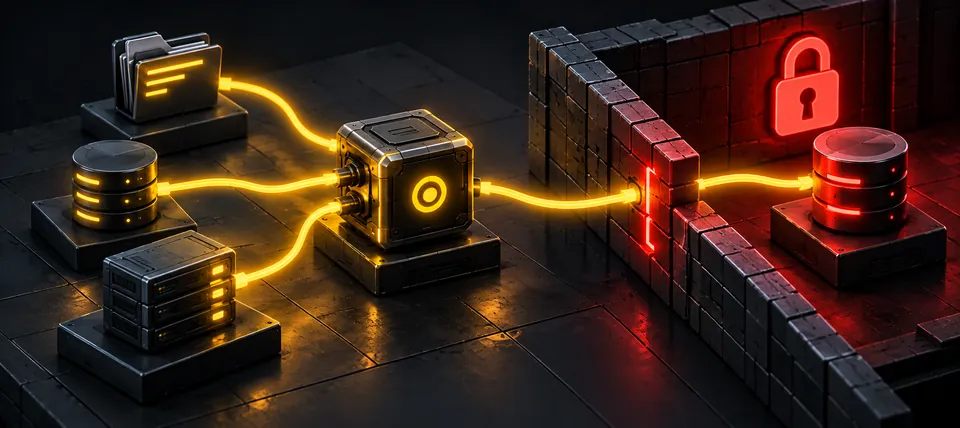
  • Illustration: a glowing cube, wired to a file folder, a database and a server, runs a cable through a red-lit wall to a locked database behind it.

    An agent has access to too much.

    It can reach files, customer information, applications, databases, or live systems it never needed to do its job.

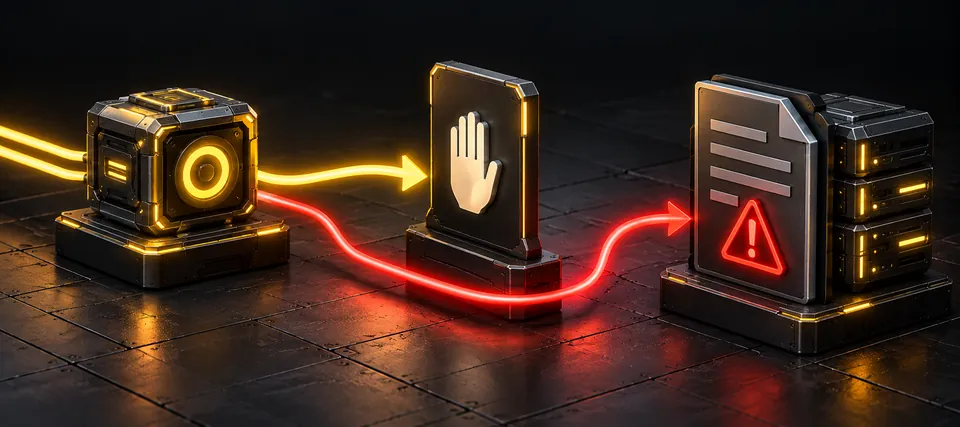
  • Illustration: a glowing cube's yellow path stops at a raised-hand approval sign, while a red path curves around the sign to a document and server marked with a warning.

    It changes something before anyone approves it.

    A file gets overwritten. A record gets updated. A message gets sent. A configuration gets changed. By the time someone notices, the action has already happened.

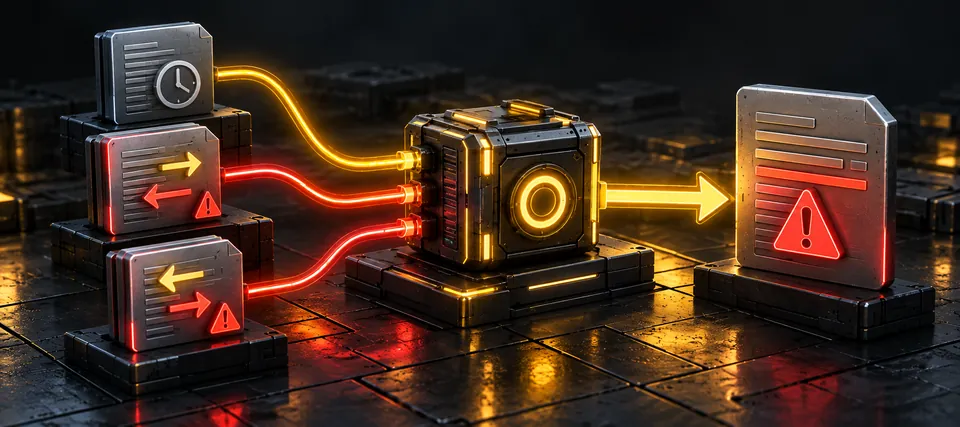
  • Illustration: a dated document and two conflicting documents marked with warnings feed into a glowing cube, which sends out a document marked with a warning.

    It works confidently from the wrong information.

    The AI is using outdated files, incomplete context, conflicting instructions, or information nobody can trace to a reliable source.

  • Illustration: stacks of documents on four separate platforms marked email, chat, laptop and cloud, with broken dashed links between them.

    Important company knowledge gets trapped in the wrong places.

    Critical context gets scattered across employee accounts, chat histories, disconnected tools, and vendor-controlled memory instead of becoming an asset the business can organize and control.

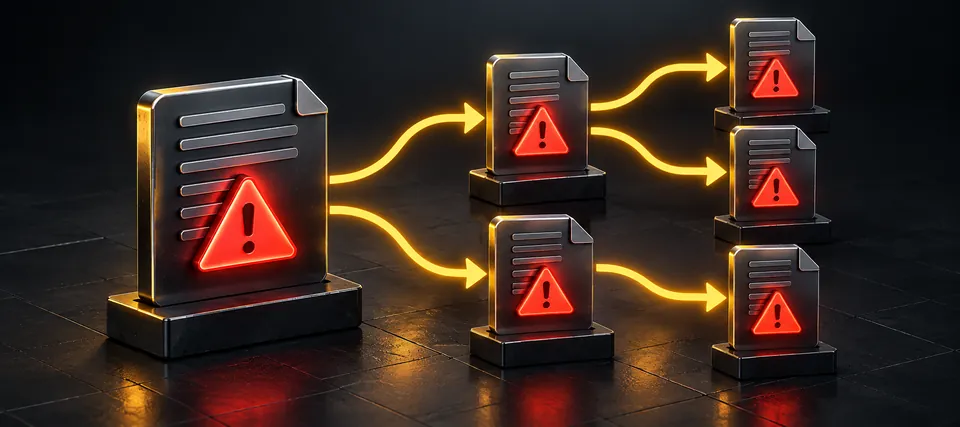
  • Illustration: a document marked with a warning branches into copies, each marked with the same warning, multiplying across the frame.

    A small mistake gets automated into a large one.

    Automation can repeat a bad decision hundreds or thousands of times before anyone notices.

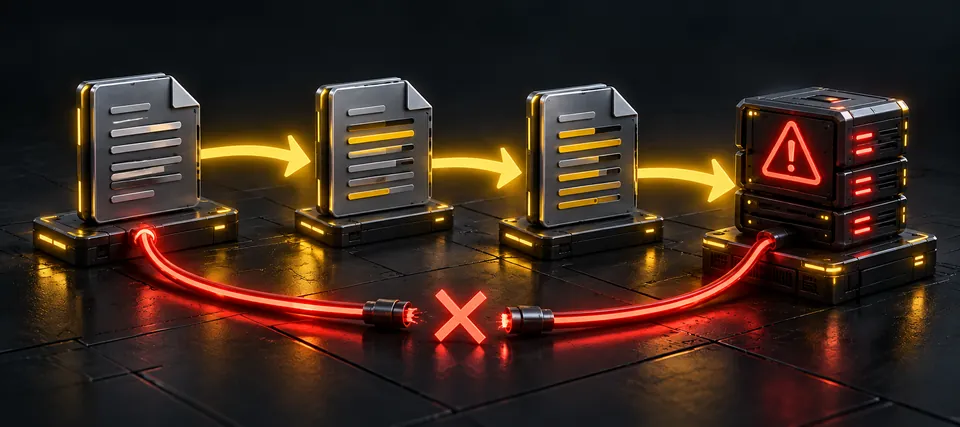
  • Illustration: a document changes across three steps on its way to a server marked with a warning, and the red cable leading back to the first document is disconnected.

    Something breaks. There is no clean way back.

    No useful backup. No version history. No approval trail. No isolated workspace. No obvious way to undo what the AI changed.

Four questions every business should answer before giving AI more responsibility.

  1. 01

    What should the AI know?

    Company-controlled knowledge, clear sources, and information you can maintain.

  2. 02

    What should the AI be allowed to touch?

    Defined permissions and boundaries around files, applications, and systems.

  3. 03

    What happens when the AI is wrong?

    Approvals, validation, and safeguards to reduce the chance of mistakes spreading.

  4. 04

    How do we get back?

    Backups, versioning, and practical recovery procedures.

See the two services

Practical AI systems for the way your business works.

Doomproof AI currently focuses on two areas where businesses can gain meaningful AI capability without creating unnecessary operational risk.

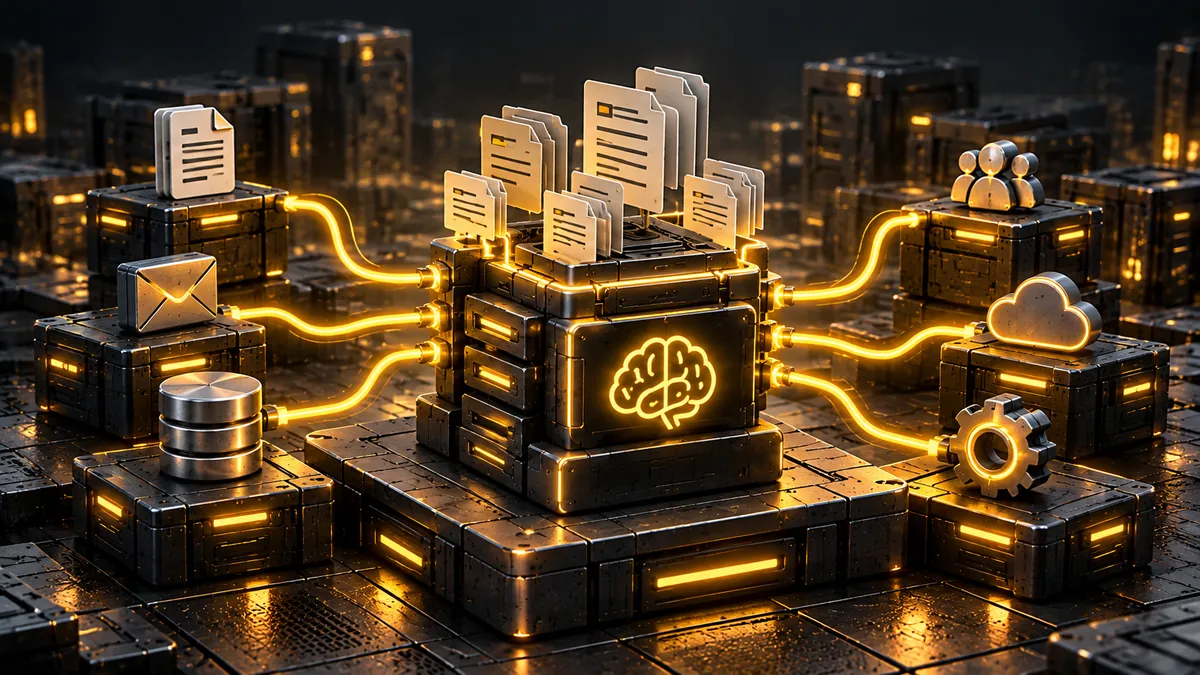
Illustration: glowing yellow lines link a document, an email, a database, a team, a cloud and a gear to a central graphite core marked with a brain, with papers filed on top.

COMPANY KNOWLEDGE

Company Brain

Give your AI a reliable source of company knowledge you control.

Turn scattered files, context, and institutional knowledge into an organized memory system that can remain useful across conversations, tools, employees, and AI platforms.

Explore the service


Illustration: a small robot works at a laptop on a desk enclosed by glowing yellow glass walls, among dark server blocks.

AGENT CONTROL

Agent Workspaces & Guardrails

Give AI agents room to work. Not the keys to the kingdom.

Create controlled environments with deliberate permissions, approval rules, backups, recovery paths, and separation from systems an agent should not be able to change freely.

Explore the service

Have a personal project in mind?

I also consider AI setups for personal projects, including life stories, family memories, and projects you want help building. Tell me what you have in mind in the questionnaire.

Get Your AI Systems Plan

You don’t need technical experience or a specific solution in mind.

THE DOOMPROOF PHILOSOPHY

Prepared beats panicked.

Good AI architecture assumes mistakes will happen.

The goal is not to pretend AI will never get something wrong.

The goal is to keep one AI mistake from triggering a worst-case scenario.

That is what being Doomproof means in practice: preventing what we can, containing what we can’t, and planning how to recover when something goes wrong.

In an office, a cheerful robot feeds documents into a shredder while the AI Prepper crouches calmly by his yellow equipment case, holding a backup cartridge.

Start with a clear plan.

Get your initial plan without a phone call.

  1. Step 1

    Tell me about your business.

    Complete a 10-minute written questionnaire.

  2. Step 2

    Receive your plan and price.

    Get a one-page recommendation and fixed price within two business days.

  3. Step 3

    Decide what works for you.

    Review the proposal and choose whether to proceed.

Get Your AI Systems Plan